

By: Jerry P. Abraham, MD MPH CMQ
Photo by: Arlette Lopez | Dreamstime.com
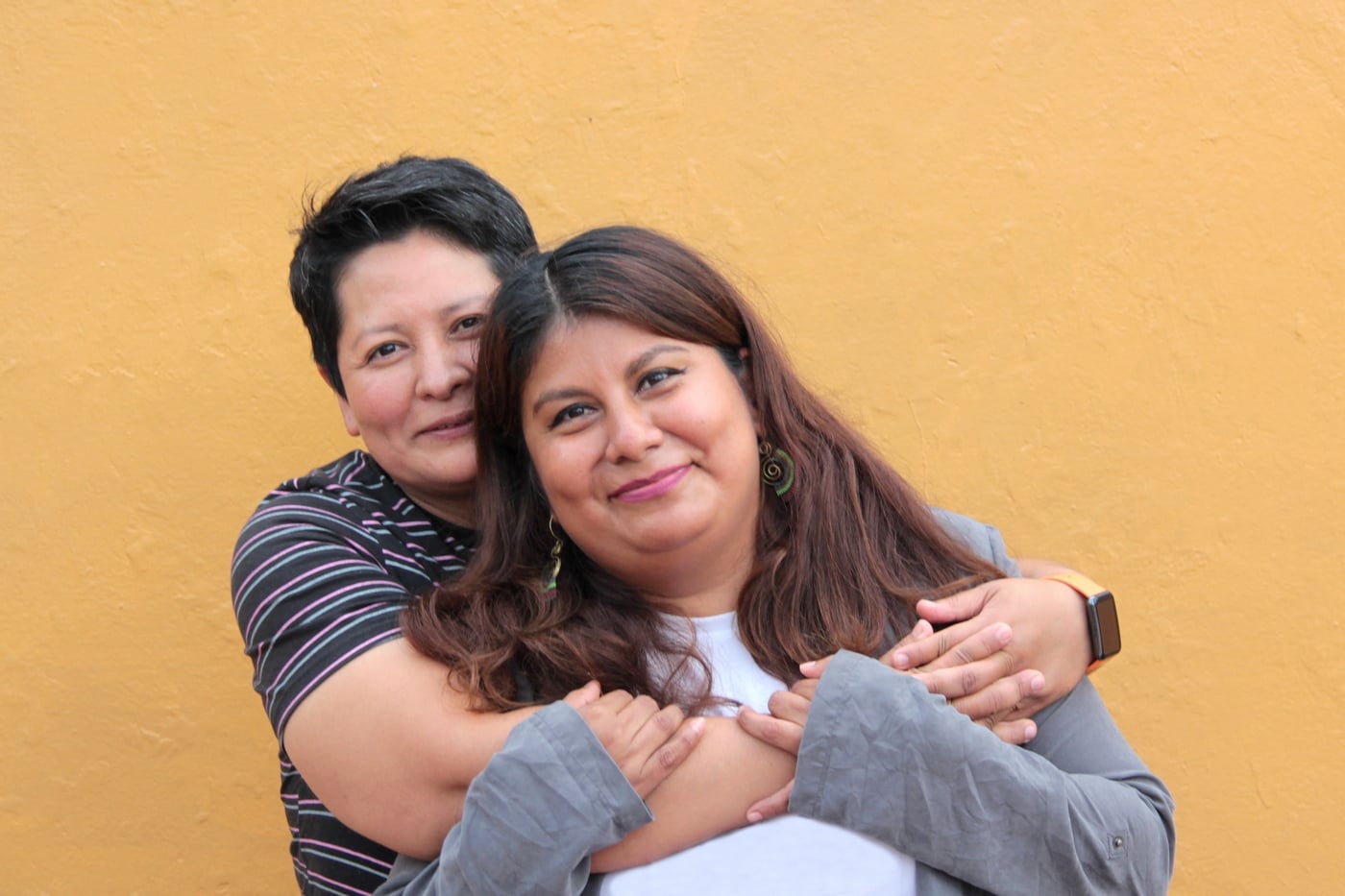
California has a long and rich history of being a place where stories, cultures, and ambitions converge, making it one of the most diverse places to live in the country. However, for marginalized communities, LA often seems to serve as both a safe haven and a safe space as our community faces trial by fire. Two new reports, Una Fuerza Más de Cien Mil: LBTQ Latinas in Los Angeles County and Experiences of Trans and Nonbinary Immigrants in Los Angeles, shed light on what it means to try and survive as a gay and Latin@ individual in LA today. The two reports display a complex portrait of our complicated city and county, a place that is full of both deep struggle and collective strength.
A Growing and Visible Community
The report estimates that there are more than 106,000 lesbian, bisexual, transgender, and queer Latinas in Los Angeles County, meaning more than 7% of all Latinas in the county identify as LGBTQIA+. Many of them are younger, with nearly two-thirds being under the age of thirty-five. The majority are bisexual and live primarily in East LA, specifically in the southeast communities. These women are not simply a number, they are local students, mothers, employees, artists, and neighbors who comprise a vibrant but largely unrecognized part of the social fabric of the county.
The second report, which examined statistics regarding trans and nonbinary immigrants, found that about a third of LA’s trans population were born outside the United States. The majority, close to 90%, are Latina or Latino, with most of those being trans women. Some had come to LA seeking safety or opportunity, only to find they were confronted with new barriers such as poverty, precarious housing, and discrimination in almost every area of life. Yet, their voices express resilience rooted in community care and survival within their new home.
The Outrageous Cost of Living and Staying Alive
Both reports highlight one underlying fact, that Los Angeles is expensive, and the exorbitant cost of living hits queer Latinas and trans immigrants hardest of all. Over half of LBTQIA+ Latinas live in households with incomes below twice the federal poverty level, and about the same percentage experience food insecurity. Nearly three out of four struggle to pay for housing, and one out of six has experienced homelessness over the last five years. As for transgender Latina immigrants, the numbers are even more shocking, with 40% reporting being currently homeless, and the majority getting by on less than $25,000 per year.
For many, the choice is between rent or medical care. It’s not just an economic matter, but a question of dignity, and of whether LA truly lives up to its potential and reputation as a safe haven for those in need.
Living Between Identities
To be both Latina and queer, or both immigrant and trans, is to occupy a series of identities that don’t necessarily fit into pre-defined systems. For instance, more than half of LBTQIA+ Latinas are not out to their entire families. Many describe their experience as having to navigate being closeted at home, while also experiencing discrimination within LGBTQIA+ communities that largely cater to white, cisgender men. At the same time, they also must juggle racism and sexism from Latino communities and homophobia from their religious communities.
Nearly 60% of transgender Latinas were denied housing in the past five years, many of which attributing the denial to their gender identity. Others are rejected by employers or colleagues. Despite California’s legal safeguards, discrimination persists in hiring, renting, and even in seeking health care. A third of immigrant respondents said they had delayed or gone without medical care in the past year out of fear of bad treatment or deportation.
Health, Safety, and Emotional Struggle
Behind statistics are people who are facing emotional and physical pain alone. Nearly half of LBTQIA+ Latinas have experienced violence from their partners and almost one in four has attempted to end their own lives. Depression, isolation, and drug abuse are all much more common than in non-LGBTQIA+ Latinas. Many are afraid to tell doctors their identity, which limits access to care and makes health outcomes worse.
For trans immigrants, the experience is no different. They often bear unmet trauma from detention center ordeals or from violence in their home countries. Over half of the trans Latina immigrants in the study had, at some time, been detained by U.S. immigration officials, and nearly a third said they were physically attacked while in detention. These are not outlier anecdotes, they depict a system that far too often punishes people for simply existing as themselves.
Faith, Family, and Finding Belonging
Yet, amidst the adversity, these communities continue to find strength in connection. Two-thirds of LGBTQIA+ Latinas are part of a spiritual or religious community, though most are not out within them. They stay because they believe that faith and identity are not mutually exclusive, they coexist, sometimes quietly, sometimes defiantly, as acts of survival.
Family, both biological and created, remains at the core. Younger LBTQ Latinas have strong desires for parenthood, nearly three-quarters of women under 50 said they want to have children. They talk about building homes more inclusive than the ones they grew up in, even as financial struggles make parenting feel impossible.
What Los Angeles Needs to Do
Both reports end with calls to action for local leaders and service providers. The message is clear: policy makers cannot treat these communities as afterthoughts. Cis-white gay male-centered or straight Latina-centered programs fail to account for the complicated realities of queer Latinas and trans immigrants.
Services must be located where people actually live, such as in East LA, South Central, and the San Gabriel Valley, not just West Hollywood. Faith-based programs must be safe and welcoming. Health care workers must be trained to treat bisexual and transgender patients with dignity and expertise, housing and economic programs must take into account people with mixed immigration status or minimal documentation.
Equally important, these communities want to be seen and heard. Inclusion is not representation, but collaboration.
The Power of Community
“Una fuerza más de cien mil” means a force of more than one hundred thousand. The title of the first report reads like a call to action. These LGBTQIA+ Latinas, trans women, and nonbinary immigrants aren’t statistics, they’re powerhouses of courage who, despite obstacles, are making Los Angeles an even more compassionate, creative, and inclusive city.
Their testimonies are a testament to the fact that resilience is not born of comfort but of love, the kind that persists in spite of fear, in spite of oppression, and in spite of invisibility. They give voice to the thousands who, even as systems fail them, still manage to create a future, a family, and joy.
In a city famous for reinvention, perhaps the most radical transformation is already underway, in which communities who still remain unheard continue to redefine the terms of belonging in order to push Los Angeles to continue to become more and more of a safe space for all.
You can learn more about these reports and the UCLA School of Law Williams Institute and The Trans Latina Coalition on their websites:
https://williamsinstitute.law.ucla.edu/
https://www.translatinacoalition.org/