

By, Daniel P’Lopez
photo by: Christopher Stephens
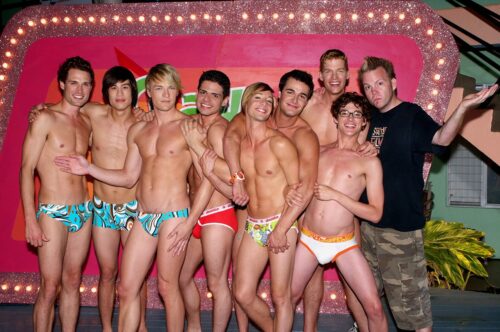
Before queer cinema became prestige television and awards-season drama, filmmaker Todd Stephens was busy doing something far more rebellious — making audiences laugh.
“I just wanted to make people laugh,” Stephens says. “Not take ourselves so seriously all the time.”
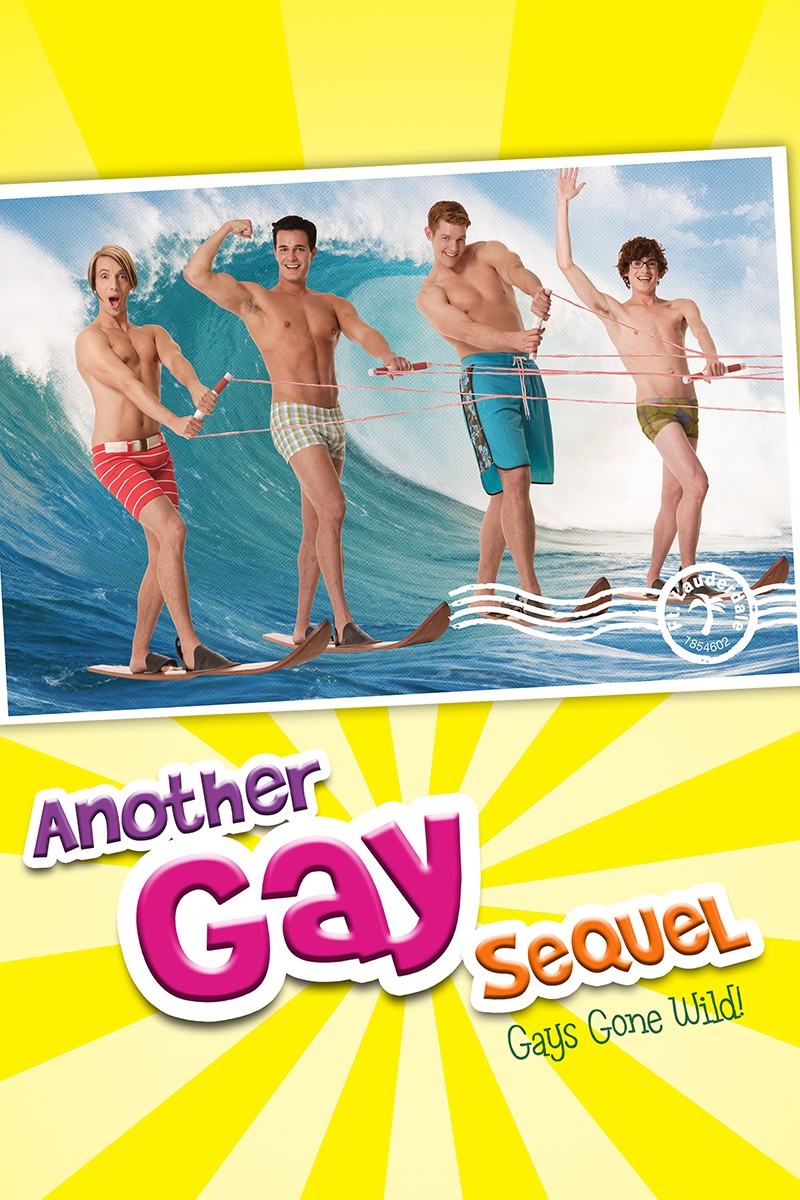
That impulse gave birth to one of LGBTQ cinema’s most outrageous cult franchises: Another Gay Movie and its sequel, Another Gay Sequel: Gays Gone Wild! Nearly two decades later, the films are being rereleased on streaming platforms — and Stephens is even toying with the idea of a third installment.
But his journey began far from Hollywood.
Stephens grew up in Sandusky, Ohio — a small town that later became the setting for three of his five films. “I kind of got out of there as soon as I could,” he says. At 18, he moved to New York City to attend NYU film school, where he immersed himself in cult cinema.
Armed with a Super 8 camera as a child, Stephens had always known he wanted to make movies. One of his biggest influences was John Waters, whose unapologetic style left a lasting impression.
Before launching his now-famous franchise, Stephens directed Edge of Seventeen, a coming-of-age film inspired by his own coming-out story, followed by Gypsy 83, about two goth teens in Ohio obsessed with Stevie Nicks. He’s currently completing a director’s cut of Gypsy 83 for theatrical release this summer.
The idea for Another Gay Movie came during an ordinary moment at home.
“My husband and I were folding laundry,” Stephens recalls. “And we thought, why don’t we make a gay American Pie?”
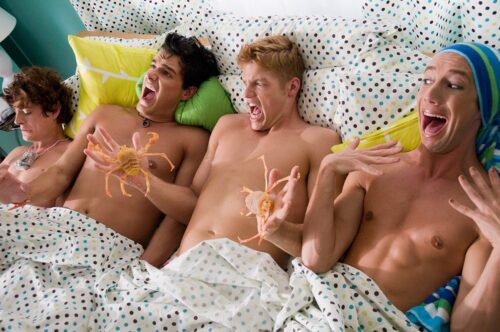
The result was a bold, raunchy comedy about four high school friends determined to lose their virginity before heading to college. Stephens wanted audiences to know exactly what they were getting.
“I wanted to make a film that was clearly for queer people.”
At a time when many LGBTQ films centered on trauma and coming out struggles, Stephens aimed for something different.
“Back then, most queer movies were about tortured people. Which is important. But I thought it would be original to just do something stupid.”
The film became a cult hit — polarizing but undeniably memorable. The sequel pushed the boundaries even further, sending the characters into a chaotic Fort Lauderdale sex contest.
“We felt like we had to top the first one,” he says. “Which was wild enough as it was.”
Though outrageous on the surface, Stephens’ films carry personal undertones. He admits pieces of himself live within the characters — especially Nico, the outsider in the sequel.
“I didn’t feel like I fit in as a queer kid in Ohio. And even moving to New York, I think a lot of us feel that way at times.”
Relationship dynamics in the films also reflect his own long-term partnership. Stephens and his husband have been together for over 40 years and married after Trump’s first election, concerned about potential threats to LGBTQ rights.
“I feel like I’ve been married for 40 years,” he says with a laugh.
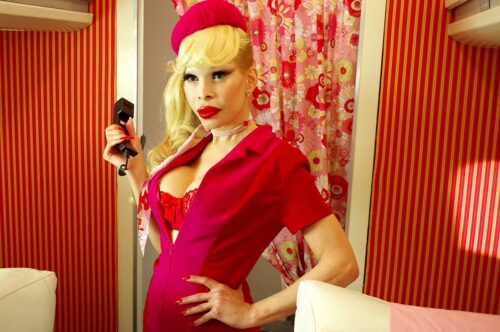
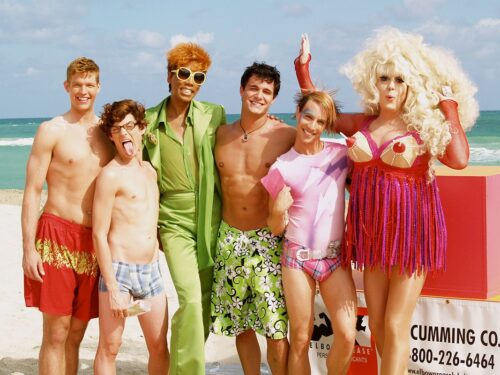
Part of the franchise’s appeal was its lineup of unforgettable guest appearances — including RuPaul, Lady Bunny, Perez Hilton, and Colton Ford.
“It was a dream,” Stephens says. “To work with out, loud, proud queer legends.”
He remains especially fond of the sequel’s absurd merman scenes and its unapologetic satire. The films, he explains, were acts of comedic rebellion.
“People either love them and think they’re hilarious or think they’re terrible,” he says. “And I understand. Satire crosses lines.”
Still, he stands by the work. “People who get it, get it.”
While comedy defines his reputation, Stephens’ later films lean more toward dramedy. He still hopes to tackle horror one day — though he jokes that he somehow keeps winding up making gay movies instead.
His next major project may be his most ambitious yet: a biopic about Mae West.
“I’ve been obsessed with Mae West since I was a little queer kid in Ohio,” he says.
The film will explore West’s rise in 1920s New York and how she crafted a persona inspired by Harlem drag culture long before modern pop icons adopted similar theatrics.
Stephens also teaches at the School of Visual Arts in New York City, mentoring many queer and trans students, and remains politically active in northeastern Pennsylvania, where he and his husband converted an old country church into their home.
Rewatching Another Gay Movie for its rerelease, Stephens was reminded of its chaotic charm.
“They’re really a lot of fun,” he says. “They’re insane.”
And in today’s heavy political climate, he believes that kind of absurd joy still matters.
“I honestly think the world needs a stupid gay movie now more than ever.”
For Todd Stephens, laughter isn’t just entertainment — it’s resistance.
And he may not be done yet.