

By: Jerry P. Abraham, MD MPH CMQ
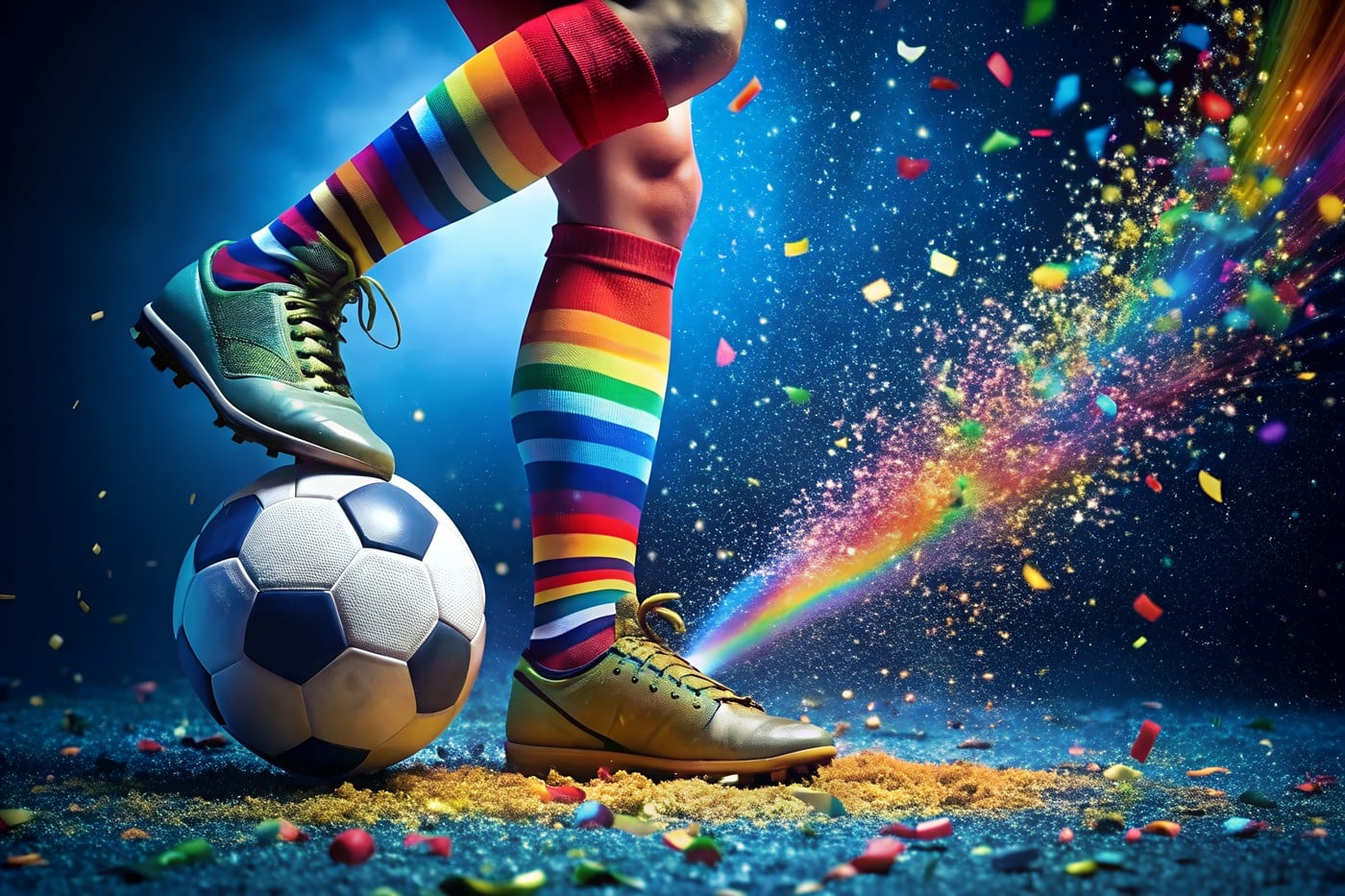
Photo by: Sultan Mahmud | Dreamstime.com
Anyone who has played competitive sports knows the rush that comes with a new season. But for many gay men, especially those raised in neighborhoods where athletics were coded as strictly “straight, ” that excitement is mixed with anxiety: Will I feel safe? Will I be accepted? Is my body good enough?
Sports like baseball, football, and hockey are often associated with toughness and a narrow version of masculinity. The locker room, a space of heterosexual bonding, can also stir up old adolescent fears: being “found out,” confusing admiration with desire, or trying to blend in at all costs. Even for men who are out and confident, these environments can reactivate earlier experiences of shame or hypervigilance.
Sports themselves, however, are not inherently straight or hostile. The body does not have a sexual orientation. Muscles contract and lungs expand the same way regardless of who you love. In fact, athletics can be a powerful way to reconnect with your body in a positive, embodied way, if the psychological barriers can be overcome.
Discomfort in traditional sports spaces is not just in your head. Research on minority stress shows that LGBTQ+ people experience higher levels of chronic stress due to stigma, discrimination, and internalized shame. Even subtle cues: a joke, a look, or silence, can keep the nervous system on alert. Over time, elevated stress hormones like cortisol affect sleep, appetite, immune function, and mood.
For gay men navigating machismo culture, the pressure can intensify. If “real men” are presumed to be straight, stoic, and dominant, some men split themselves in two: one self that performs toughness, another that holds vulnerability and desire. The locker room can also raise sexual tension. Attraction to other men is normal. But when attraction is fused with the fear of being seen as predatory or inappropriate, it can turn into shame. Some avoid sports entirely. Others overcompensate by exaggerating heterosexual masculinity.
Body image adds another layer. Within many gay male communities, physical appearance carries social currency. Social media often amplifies ideals of chiseled abs, broad chests, and minimal body fat. For Latino men, racialized stereotypes such as exoticization, assumptions about virility, or pressure to embody a certain archetype can compound these expectations. When hypermasculine sports culture collides with appearance-driven gay culture, body dissatisfaction can thrive.
Body dysmorphic disorder (BDD) is more common in men than many assume and disproportionately affects gay and bisexual men. It can involve compulsive mirror checking, excessive grooming, rigid dieting, or punishing exercise routines. Eating disorders, often stereotyped as affecting women, also impact gay men at higher rates.
Common patterns include restrictive eating before vacations or major events, followed by binge cycles; relentless gym routines aimed at sculpting a specific look; and unsupervised use of performance-enhancing drugs. What begins as a bid for confidence in dating or sex can spiral into serious health consequences. Malnutrition disrupts hormone levels, including testosterone. Chronic restriction weakens bones, impairs immunity, and increases injury risk. Overtraining without recovery raises the likelihood of stress fractures, tendon damage, and cardiovascular strain.
A healthier path begins by reframing exercise as care rather than punishment. Physical activity supports cardiovascular health, insulin sensitivity, mood regulation, and sexual function. Adequate blood flow is central to sexual health. Resistance training preserves muscle mass and bone density as we age. For men living with HIV, structured exercise improves metabolic health and quality of life. The goal is not aesthetic perfection but strength, resilience, and longevity.
Nutrition, likewise, should be fuel, not an enemy. A balanced diet with sufficient protein, healthy fats, complex carbohydrates, fiber, vitamins, and minerals supports immunity, hormones, cognition, and libido. Severe caloric restriction may reduce body fat temporarily but often erodes energy, mood, and sexual function. For those struggling with disordered eating, working with a dietitian knowledgeable about LGBTQ+ health can be transformative.
If traditional sports spaces still feel unsafe, consider seeking explicitly inclusive ones. Many cities offer LGBTQ+ leagues in sports ranging from hockey to running clubs. These environments allow competition and camaraderie without constant self-monitoring. If such leagues aren’t available, joining a mainstream team with supportive friends can provide a sense of safety in numbers.
It is also worth challenging assumptions about straight men. While homophobia persists, generational attitudes have shifted. Anticipated rejection does not always occur. Having a calm, matter-of-fact way to reference your partner, ex: “My boyfriend and I went skating,” can set the tone. Often, others take their cues from your comfort.
For men questioning their sexual orientation, sports settings can feel especially charged. Attraction may surface unexpectedly. Rather than treating these feelings as threats, approach them with curiosity. Sexual identity development is not a race. Therapy with a culturally competent clinician can provide space to explore without pressure.
Long-term partnerships, when desired, rest on emotional presence and shared values, not just physique. Physical health supports these bonds: energy to travel, stamina to engage intimately, and cognitive clarity to resolve conflict.
Ultimately, sports are not about proving masculinity. They are about inhabiting your body fully: sweating because it feels good, competing because you enjoy it, showering in a locker room without shrinking yourself. Health is not the suppression of desire or the pursuit of flawless beauty. It is the integration of body and self.
For our community especially, that integration can be quietly radical. You can love men and love sports. You can care about your appearance without letting it dictate your worth. You can build muscle and also cultivate tenderness.
Seasons change. Games end. What endures is your relationship with yourself. Train that relationship with the same dedication you would give a championship run. Eat to nourish. Move to strengthen. Rest to recover. Connect to belong. From that…foundation, confidence, satisfaction, and fulfillment have room to grow. Go Sports!
Remember, you can visit Dr. Jerry P. Abraham, MD MPH CMQ and the whole JWCH-Wesley HIV Street Medicine Team at Club Tempo in East Hollywood every Sunday night. Come get HIV-tested, PrEP’d, and all your LGBTQ+ Health questions answered!