

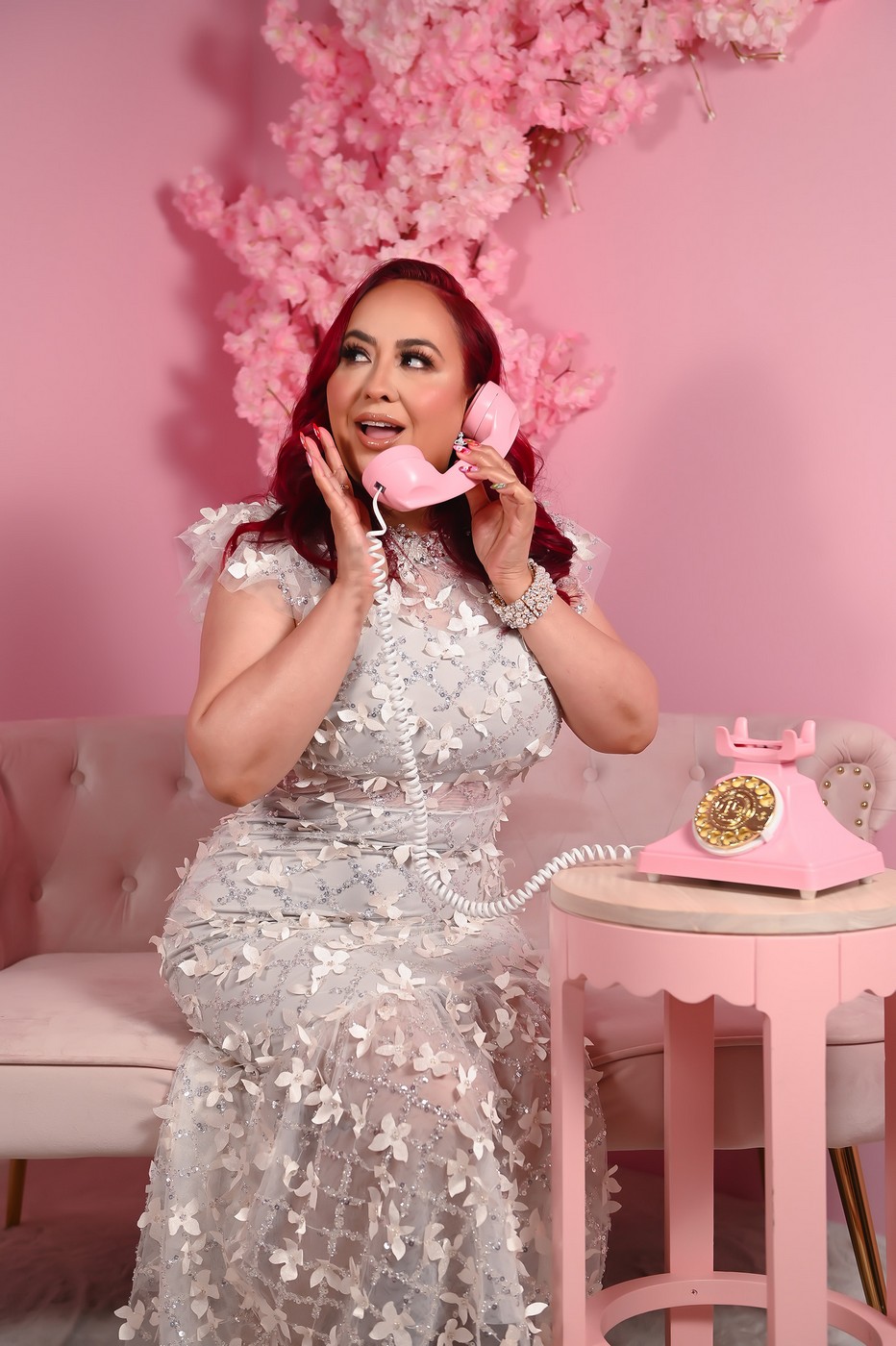
By: Dr. Nancy Paloma Collins – LMFT
I met them at a mutual friend’s birthday party. It wasn’t supposed to be anything.
We started talking and hours passed without either of us noticing. We weren’t even flirting — we were just seeing each other.
The kind of conversation where I forgot to check my phone. Where I realized hours had gone by.
A week later we got coffee.
Then dinner. Then they started staying over.
Slowly… quietly… we became something.
They held my hand at home. They cooked for me.They texted me good morning every single day.
They told me I was the safest person they had ever known. But now… outside… we are strangers.
If we run into someone they know, they step away. They introduce me as “a friend.”
At a queer event — ironically — they ask me not to stand too close because someone from work might see. They say they’re not fully out yet. Their family still doesn’t know.
Their culture makes it complicated. They tell me they’re “almost ready.”
I want to be compassionate.
I am compassionate.
I understand survival.
I understand fear.
I understand what it means to risk losing everything.
So I am waiting.
Months have passed.
We celebrated birthdays together… privately. We spent holidays together… secretly.
They cried in my arms about wanting a future with me.
But they don’t post me.
They don’t introduce me.
They don’t claim me.
Now I am asking myself questions I never thought I would have to ask.
If they love me… why do I feel hidden?
They say:
“I’m not hiding you. I’m protecting myself.”
And now I am stuck in this space between empathy and self-respect.
Am I supporting someone through a vulnerable process…
or am I abandoning myself in the name of understanding?
How long is loving someone in silence supposed to last?
— Signed,
Waiting in the shadows
Dear Waiting in the Shadows,
Loving someone who is still finding the courage to live openly is not a weakness — it is a reflection of your empathy and your capacity to hold space for another human being’s fear, history, and cultural reality. Queer relationships often exist within layers of survival, and for many people coming out is not a moment but a process shaped by family expectations, safety concerns, and the very real possibility of rejection or loss. Your compassion for that journey is meaningful. However, compassion should never require you to slowly disappear in order for love to exist.
There is a profound difference between giving someone time and giving up your visibility, your emotional security, and your sense of belonging in the relationship. When you begin to feel like you only exist in private, your nervous system registers that absence as instability, even if your mind is trying to justify it as patience. Love cannot thrive in secrecy indefinitely, and understanding someone’s fear does not mean you must accept being placed on hold indefinitely. It is not unreasonable to want to be acknowledged, integrated, and experienced as a real part of someone’s life. You are not asking them to move faster than they are capable of — you are asking for signs that movement is actually happening.
Healthy love allows room for growth, but it also includes accountability, intentionality, and gradual steps toward alignment. You are allowed to communicate that while you respect their process, you cannot remain in a dynamic where your presence feels conditional or temporary. Choosing yourself does not mean you lack compassion; it means you are honoring the truth that mutual love requires both safety and visibility. If they are not yet able to offer both, the most loving decision may be to step out of the shadows and back into your own light.
— Paloma
Ask me a question at:
Hello@palomatherapy.com
Disclaimer:
Dear Paloma, is an advice column for educational and entertainment purposes only and does not constitute psychotherapy, clinical assessment, or a therapeutic relationship. If you are experiencing emotional distress or need mental health support, please seek services from a licensed mental health professional in your area.