

By: Laura Moreno
Photo by: Juan Moyano | Dreamstime.com
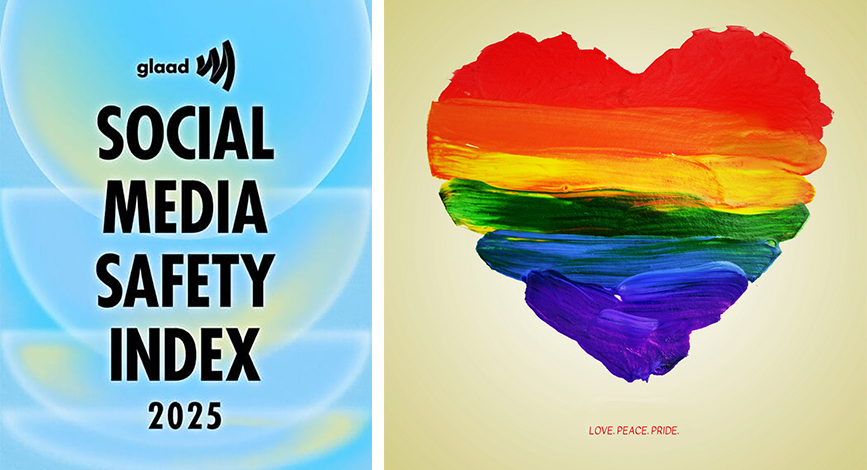
In May 2025, GLAAD released its annual Social Media Safety Index, revealing that major tech companies, including Meta, TikTok, X, and YouTube, rolled back LGBTQ+ safety policies over the previous year.
The report highlights a surge in anti-LGBTQ rhetoric and disinformation, which these platforms failed to moderate effectively. This lack of moderation has led to real-world harms, such as doxxing, stalking, and violence. For instance, policies were weakened to allow more hate speech targeting trans and queer individuals, with algorithms amplifying harmful content. This rollback is linked to broader privacy abuses, as platforms’ surveillance tools (e.g., data tracking for ads) enabled targeted harassment without adequate protections.
Critics, including LGBTQ+ artists and advocates, have accused these companies of prioritizing profits over safety, especially amid rising global anti-LGBTQ legislation.
The controversy intensified when artists reported their content being shadow-banned or demonetized, stifling queer creative voices. The backlash includes calls for regulatory action, with groups like the Human Rights Campaign noting how these changes endanger LGBTQ+ communities online.
The policy rollbacks are seen as enabling surveillance advertising, where user data (including location, interactions, and content preferences) is exploited to amplify harmful narratives, disproportionately affecting LGBTQ+ users.
The timing of these rollbacks coincided with increased anti-LGBTQ disinformation during global events like Pride 2025, making it appear that platforms were complicit in suppressing marginalized voices.
The scandal centers on protections for LGBTQ+ users, with specific harms to trans and queer individuals, including artists. Queer musicians, such as indie performers and drag artists, have been vocal about how weakened moderation leads to privacy invasions and offline threats, stifling their artistic freedom.
Social media serves as a primary tool for LGBTQ+ artists to promote their music, performances, and visual art. The rollbacks have led to scandals like the shadowbanning of queer content creators, raising ethical concerns about how tech decisions impact creative livelihoods and visibility.
Key Takeaways from GLAAD’s Social Media Safety Index
1. Widespread Policy Failures: All six evaluated platforms (TikTok, X, YouTube, Meta’s Facebook, Instagram, Threads) received failing scores on LGBTQ+ safety, with TikTok scoring highest at 56/100 and X lowest at 30/100, reflecting inadequate protections.
2. Hate Speech Policy Rollbacks: Meta and YouTube weakened hate speech policies in 2025, with Meta allowing derogatory terms like “abnormal” and YouTube removing “gender identity” protections, increasing risks for trans and queer users.
3. Surge in Anti-LGBTQ Content: The report notes a significant rise in online anti-trans hate, harassment, and disinformation, often amplified by algorithms and high-follower hate accounts, leading to offline harms like violence.
4. Content Suppression: Platforms disproportionately suppress legitimate LGBTQ+ content through shadowbanning, demonetization, and wrongful takedowns, stifling creators’ voices and livelihoods.
5. Privacy and Surveillance Concerns: Platforms’ reliance on surveillance advertising and excessive data collection exacerbates risks for LGBTQ+ users, enabling targeted harassment and discrimination.
6. Lack of Transparency: Social media companies lack transparency in content moderation, algorithms, and data practices, hindering accountability and effective policy enforcement.
7. TikTok’s Relative Strength: TikTok offers the strongest LGBTQ+ protections, with policies against misgendering, dead-naming, and conversion therapy content, but still falls short on transparency and workforce diversity data.
8. Real-World Impacts: Online anti-LGBTQ rhetoric fuels offline harms, including legislative attacks and violence, with platforms’ failures exacerbating these risks.
9. Call for Protections: The report urges regulatory oversight to address harmful business practices like surveillance advertising and inadequate moderation, emphasizing the need for systemic change.
Recommendations for Improvement
10. Strengthen and enforce policies protecting LGBTQ+ users from hate and harassment while reducing suppression of legitimate content.
11. Improve moderation with mandatory, inclusive training for moderators across all languages and regions.
12. Enhance transparency by working with independent researchers and publishing enforcement data.
13. Limit data collection and end surveillance-based advertising to protect user privacy.
In summary, GLAAD’s Social Media Safety Index exposed major tech platforms’ rollback of LGBTQ+ safety policies, leading to a surge in anti-LGBTQ rhetoric, harassment, and real-world harms like doxxing and violence. These failures, driven by weakened moderation and surveillance advertising, disproportionately harm some users, suppress creators, and fuel calls for regulatory action. It would not be difficult to restore protections to keep all social media users safe.