

By: Al Ballesteros


It would be hard to imagine that anyone would be opposed to a program aimed at Ending the HIV Epidemic in the United States as we know it.
But Congressman Robert Aderholt (R-Ala.), the chair of the subcommittee overseeing the Department of Health and Human Services in the United States Congress has a different view. According to an article in POLITICO on 11/13/23, the congressman says funding for the Ending the HIV Epidemic Program in the United States would be something “nice” to have, but perhaps not exactly “needed to have” when facing hard budget choices.
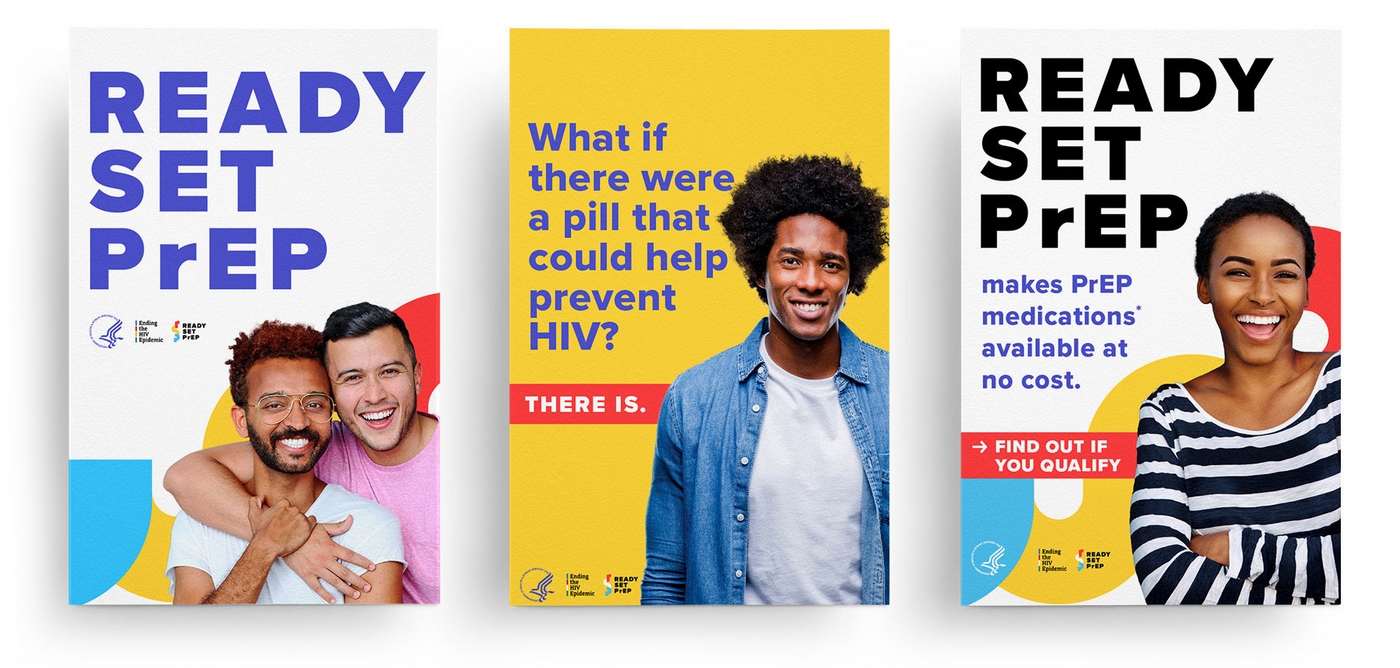
Activists and the at-risk communities might not agree with the Congressman. Certainly, countless AIDS organizations across the county have expressed alarm by the proposed 2024 cuts to HIV funding in the Federal budget by the Republican-led Labor, Health and Human Services, and Education and Related Agencies Appropriation Subcommittee. In addition to cuts across the board for domestic HIV programs, the Republican bill proposes eliminating $542 million in funding for the Ending the HIV Epidemic in the United States initiative, or 95% of the program would be gone. This initiative was started under President Donald Trump, and most HIV activists would say it is a step in the right direction for an epidemic that continues to spread in the United States even as there are proven prevention means and treatments that should very well nearly stop that spread by now. Treatment as prevention, PEP, PrEP, linkage to HIV medical care, increased testing and knowledge are tools we have to move the needle greatly. But there are many reasons why this has been a challenge specific to the Ending the HIV Epidemic program which focuses primarily on these pillars.
Republicans have cited the program’s lagging progress toward interim goals set by Trump’s HHS as reason to give up on it. Goals and progress achieved for the Ending the HIV Epidemic Program according to AHEAD (America’s HIV Epidemic Analysis Dashboard):
#1: Reduce the number of new HIV infections by 75% by 2025 and 90% by 2030. According to the CDC, new HIV infections have dropped from approximately 37,000 in 2017 to 32,100 in 2021. To get to a 75% drop by 2025, means getting new HIV infections down to 9,250.
#2: Increase knowledge of status by 95% by 2025. In 2017, 85.8% of those living with HIV knew their status. That number increased to 87.3% in 2021, a modest increase.
#3: Decrease HIV diagnoses by 75% by 2025 and 90% by 2030. The number in 2022 was at 37,449 vs a goal of 9,588 in 2025.
#4: Increase linkage to care to 95% by 2025. The number of persons linked to care was at 81.6% in 2022.
#5: Increase virally suppressed people to 95% by 2025. 65.9% of people with HIV disease were virally suppressed in 2021.
#6: Increase PrEP coverage to 50% by 2025. The national number is at 36% in 2022.
Advocates of the program say it has made a difference. To be sure, funding has paid for millions of HIV tests and enabled tens of thousands of HIV-positive people to access care, according to HHS. Use of PrEP the biomedical HIV prevention method, is rising, with 36 percent of people who could benefit from it getting a prescription in 2023, up from 22.7 percent in 2019, according to preliminary data from the Centers for Disease Control and Prevention.
Rather than proposing cuts, the program needs to be expanded, with a focus on building infrastructure in people of color communities, with those who are transgender, in younger communities and with high-risk heterosexuals, especially women at risk. When the initiative was launched under the Trump administration, the initiative’s goals were to reduce new HIV infections by 75 percent in five years and by 90 percent in 10 years. The program was initially funded for the fiscal year 2020 with $266 million. Since then, annual funding has steadily grown, reaching $404 million, $473 million and $573 million for fiscal years 2021, 2022 and 2023, respectively. President Biden has asked for $850 million for the EHE program. In addition to this, President Biden has asked for the last couple of years for an additional investment of $10 billion over ten years to greatly expand PREP, but this has not been funded yet.
According to POLITICO, Republicans cited those gaps in meeting the targets as justifying the proposed cuts. The House Appropriations report said the program “has demonstrated a lack of performance data based on outcomes, insufficient budget justifications, and vague spending plans.
It’s unfair to judge the success of a program as substantial as Ending the HIV Epidemic in the first five years, when ramp up and infrastructure is still being built, and especially considering a 100-year pandemic, Covid-19, which came about right as this program was being launched. And while White/Caucasian communities are experiencing decreasing numbers of persons getting the infection and increasing numbers of persons on PREP, large disparities still exist especially among communities of color and younger people. Among new HIV diagnoses in 2022, almost 40 percent were in Black individuals, and more than 30 percent were in Latino individuals, preliminary CDC data shows. And while 94 percent of white individuals who could benefit have a PrEP prescription, that number is under 13 percent for Black individuals and under 25 percent for Latino individuals.
Local experts in the field say the reasons for the continued high prevalence in the Black and Brown communities is related to a general lack of investment in infrastructure coupled with historical problems related to addressing the social determinates of health, poverty, racism, immigration, homelessness, lack of access to healthcare, lack of awareness and information about how to access PEP and PrEP. Medical mistrust is also another challenge that needs to be overcome. The Covid-19 pandemic came about right after the first year of the launch of the program, well before communities had the opportunity to fully implement the programs. The pandemic hit people of color and poor communities very hard. Staffing shortages and resources were also diverted from some of these efforts to fighting the pandemic. This hurt the Ending the HIV Epidemic effort.
In the short term, the HIV program is looking at a flat budget. In November, Congress was not able to agree on any fiscal 2024 spending bills so a continuing resolution was passed so existing funding will stay in place until at least February 2, 2024.
It is not likely the Democratic-controlled Senate would go along with the House plans but advocates fear that the loss of GOP support for the program will make it much harder to sustain the gains made in the last few years, and impossible to achieve Trump’s 2030 goal. “HIV has historically, and recently, been such a bipartisan issue and such an area of true collaboration that we really didn’t see such an extreme response coming at us,” said Jeremiah Johnson, the executive director of the advocacy group PrEP4ALL.
“These are devastating proposed cuts that, if enacted, would challenge the public health infrastructure of California and states across the U.S.,” said Tyler TerMeer, PhD, CEO of San Francisco AIDS Foundation. “SFAF, in coalition with other HIV and AIDS organizations across the nation, strongly oppose these proposed budget cuts, and urge our state Senators to take action in order to ensure that these cuts do not harm the public health HIV infrastructure of California,” said Ernest Hopkins, Senior Strategist and Advisor at SFAF. “We cannot stand by as our communities are targeted and as life-saving government support is cast aside. These proposed changes would harm our most vulnerable residents and would undue years of progress that we have made in reaching an end to the HIV epidemic.”
Ultimately, the Congress should give the Ending the HIV Epidemic program the needed time and funding to move the needle. There should be a renewed effort to work with affected communities and to better understand the challenges to decreasing HIV infections, uptake of PEP and PREP. There also needs to be a renewed effort on behalf of the various health departments to better understand the barriers to retention in care and viral load suppression in communities of color, transgender persons and young people. Pulling back now would only exacerbate the problems in the at-risk communities and create even larger chasms where huge disparities already exist.
It is important for those who care about ending HIV as we know it to make their concerns known to your elected members of congress. Look them up and send them a note asking for their full support for HIV funding.