

By Laura Moreno
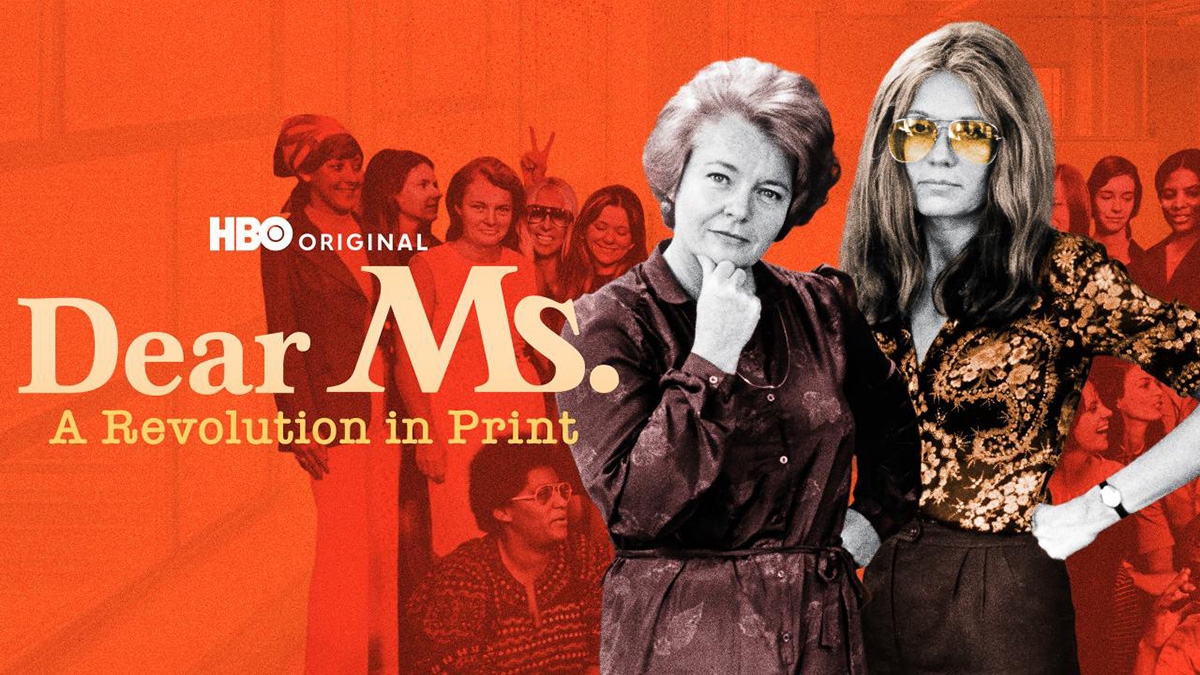
The new film “Dear Ms.: A Revolution in Print” chronicles the rise of “Ms.” magazine and assesses and celebrates its influential cultural role through a mix of archival footage, candid interviews, and cultural commentary. It is a three-part documentary film on gender and sexual politics.
The 110-minute documentary unfolds like an issue of the magazine itself with intrepid and introspective analysis, unafraid to confront its own limitations and blind spots. And like a magazine, the film’s narrative is divided into three segments directed by its three directors: Salima Koroma, Alice Gu, and Cecilia Aldarondo.
The film is both a nostalgic tribute to print media and a sobering reflection on how far society still has to go.
Koroma’s opening segment dives into the chaotic birth of the magazine in 1971. Gloria Steinem, Patricia Carbine, and a scrappy team of activists launched “Ms.” to speak directly to women’s lived experiences. The documentary’s use of old footage of typewriters clacking, and protest chants captures the feel of the era.
A striking scene is the recreation of how the first issue was put together. It features editors debating headlines like “Raising Kids Without Sex Roles” over coffee-stained typed manuscripts.
In an interview with Gloria Steinem, age 91, she confesses, “We weren’t sure anyone would buy it, but we knew we had to try.”
The gamble paid off. An incredible 300,000 copies sold out in just days, signaling a hunger for feminist journalism.
Cultural ripples
The second segment examines the magazine’s impact on culture, particularly its role in mainstreaming issues like workplace discrimination and reproductive rights. It is directed by Gu.
A 1975 “Ms.” article on domestic violence, as contributor Barbara Smith recalls, for the first time gave women the vocabulary to discuss the problem.
Gu pairs these insights with dynamic visuals: bold cover art, reader letters, and clips of Steinem testifying before Congress. The segment demonstrates how “Ms.” bridges grassroots activism and mainstream media. Figures like bell hooks and Flo Kennedy were instrumental. At the same time, it doesn’t shy away from early critiques of the magazine’s initial struggle to reflect the diversity of its readership.
The final segment, directed by Aldarondo, is the film’s most analytical, inward looking, and perhaps the most important going forward. It tackles controversial stances taken by the magazine, like its 1980s anti-pornography campaign. Notably, the film recounts how aligning with figures like Catharine MacKinnon alienated feminists who sought to bring the US into line with industrial nations that safeguard the rights of all citizens including sex workers, even offering the equivalent of Social Security to to them, attempting to hold accountable what nearly always shapes up to be an abusive industry. The film accomplishes this through interviews with former editor Letty Cottin Pogrebin and activists like the late LGBT poet Audre Lorde (via archival audio).
“We didn’t always get it right,” Pogrebin admits.
Split-screen montages juxtapose “Ms.” magazine’s earnest editorials with protests from more forward thinking feminists.
And a jazzy score by Pamela Z gives the film just the right feel.
The film also includes human interest stories, like that of a reader who found the courage to leave an abusive marriage after reading a “Ms.” magazine article.
What sets “Dear Ms.” apart is that it strives to objectively evaluate its legacy, cognizant that the subject matter will be judged by history with the passing of time. This is no puff piece.
The filmmakers, for example, acknowledge the publication’s role in amplifying white, middle-class voices at the expense of others. Marcia Ann Gillespie, former “Essence” editor, offers a sharp critique of Ms.’s early blind spots regarding race and ethnicity. Steinem reflects further on learning from these missteps. As Koroma notes in an interview, “We wanted to show the messiness of progress.”
Today’s relevance
To be sure, the film draws parallels to today’s ongoing debates, such as gender equity, abortion, free speech, and intersectionality (the theory that racism, sexism, and classism intersect in the lives of marginalized people. This approach makes the documentary resonate in today’s polarized climate.
In 2025, as digital platforms overtake the prevalence of print, the documentary feels like a call to remember media’s power to spur change.
A 1972 Steinem op-ed to a 1980s reader poll on abortion, reminds us that “Ms.” gave women permission to demand more. Yet, it also questions whether the magazine’s model can inspire today’s fragmented media landscape.
Critic Amy Taubin observed, “Ms. proved words could shift culture, but they also exposed its fault lines.”
But “Dear Ms.: A Revolution in Print,” like many documentaries, at times feels uneven.
Also, the film does not address claims that the CIA funded “Ms.” magazine. Given Gloria Steinem’s previous CIA ties and the feminist group Redstockings’ claims in 1975 that Ms. Magazine may have been influenced by CIA funding or networks, many viewers will wonder why the film is silent on this question.
For those who lived through the second wave of feminism, this documentary is a must-watch, a testament to the difficult, important work of progress.
“Dear Ms.: A Revolution in Print” is now streaming on HBO Max.